
Demystifying Property Metrics: Your Expert Guide to Carpet Area, Built-Up Area, and Super Built-Up Area in Today’s Real Estate Landscape
For over a decade, I’ve navigated the intricate world of real estate, and one persistent hurdle for both seasoned investors and first-time homebuyers remains a clear understanding of property measurements. Terms like “carpet area,” “built-up area,” and the increasingly relevant “super built-up area” can feel like a foreign language. This isn’t just about semantics; a precise grasp of these figures is fundamental to making sound financial decisions, avoiding costly misunderstandings, and ultimately, securing the property that truly aligns with your needs and budget. In this comprehensive guide, I’ll break down these critical distinctions, offering insights honed over years of industry experience to empower you in today’s dynamic real estate market. We’ll explore not just what these terms mean, but why they matter and how they directly influence property value and your overall investment.
The Cornerstones of Property Measurement: Defining Your Space
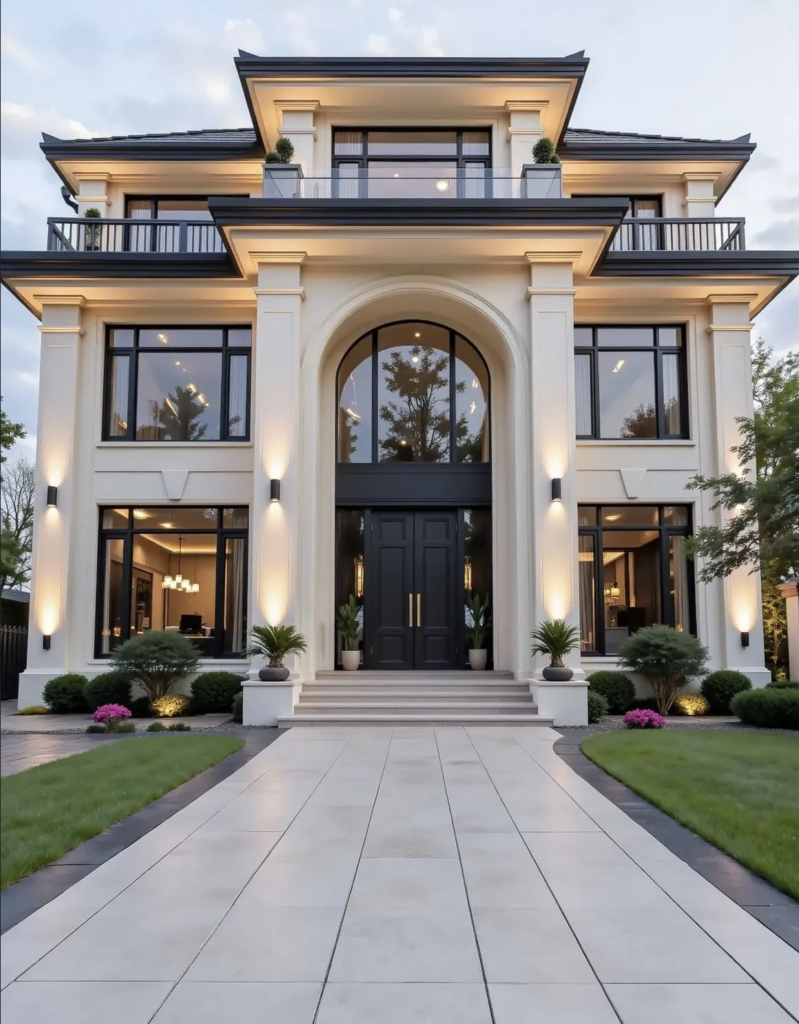
At the heart of any property transaction lies the accurate measurement of its dimensions. For years, the industry has grappled with various metrics, and while some have been standardized, others continue to evolve. Let’s start with the most fundamental, the carpet area, often the most overlooked yet arguably the most crucial for your daily living experience.
Carpet Area: The True Measure of Your Living Space
Imagine stepping into your dream apartment. The carpet area is precisely that – the usable floor space within the interior walls of your unit. It’s the area where you can realistically lay down carpeting, place your furniture, and move about without obstruction. Crucially, this measurement excludes the thickness of external walls, structural columns, internal service shafts (like those for plumbing or electrical conduits), and any exclusive balconies or terraces that are not enclosed within the primary living space. Think of it as the “walkable” area inside your apartment. Understanding your carpet area is paramount because it directly reflects the functional space you’ll actually inhabit and utilize on a day-to-day basis. For many buyers, this is the most significant metric when considering comfort and utility.
Built-Up Area: Expanding the Horizon
The built-up area expands upon the carpet area by incorporating additional space that is integral to the apartment’s structure and exclusive use. This includes the carpet area itself, plus:
Internal Walls: The walls that partition rooms within your apartment.
Exclusive Balcony or Terrace Area: The space on your private balcony or terrace, often included as part of your unit’s offering.
Exclusive Corridor Area: If your apartment has a private corridor leading to its entrance that is exclusively for your use, this would also be included.
Essentially, the built-up area represents the total area enclosed by the external walls of your apartment, encompassing both the usable carpet area and the structural elements that define its boundaries. It provides a broader picture of the unit’s overall footprint, including elements you might not directly furnish but are part of your private domain.
RERA Built-Up Area: The Pursuit of Standardization and Transparency
The introduction of the Real Estate (Regulation and Development) Act, or RERA, aimed to bring much-needed transparency and uniformity to the real estate sector across India. The RERA built-up area is a direct outcome of this initiative. It’s designed to standardize how property sizes are communicated, making comparisons between different projects more equitable.
The RERA built-up area is very similar to the conventional built-up area, but with a critical distinction: it excludes the area of exclusive balconies or terraces. This exclusion is significant because balconies and terraces, while part of a unit, are often not considered core habitable space and can vary dramatically in size between projects, potentially skewing comparisons. By standardizing this exclusion, the RERA built-up area offers a more consistent and comparable metric for the internal structure of an apartment. This move has been instrumental in helping buyers understand the actual enclosed living space, making it a vital metric in contemporary real estate transactions.
Super Built-Up Area: The Holistic View, Including Shared Amenities
The super built-up area is the most expansive measurement, reflecting the developer’s total allocation of space to a unit, including its proportionate share of common amenities and facilities within the building. This figure comprises:
The built-up area of your apartment.
A proportionate share of all common areas, such as:
Lobbies and reception areas
Staircases and landings
Elevator shafts and machine rooms
Clubhouses, gyms, and swimming pools
Children’s play areas and landscaped gardens
Transformer rooms, generator rooms, and water tanks
Security cabins and common utility spaces
A portion of the parking area (often allocated on a per-unit basis)
The super built-up area essentially represents the total development footprint associated with your unit. Developers typically quote prices based on the super built-up area, which allows them to factor in the cost and maintenance of shared amenities into the overall property price. While it offers a comprehensive view of the development, it’s crucial to remember that a significant portion of this area is not exclusively yours to use. Understanding the super built-up area is key to deciphering pricing structures and appreciating the value of the amenities provided.
Navigating the Nuances: A Comparative Overview
To solidify your understanding, let’s lay out the key differences in a clear, comparative format. This is where the practical application of these terms becomes evident.
| Area Measurement | Definition | Exclusions | Inclusions |
| :——————— | :———————————————————————————- | :———————————————————————– | :———————————————————————————————————– |
| Carpet Area | Actual usable floor space within interior walls. | External walls, structural columns, internal shafts, exclusive balconies/terraces. | Interior walls. |
| Built-Up Area | Total area within the external walls of the apartment, including internal structures. | None (within the apartment’s external walls). | Carpet Area, internal walls, exclusive balconies/terraces, exclusive corridors. |
| RERA Built-Up Area | Standardized built-up area excluding exclusive balconies/terraces. | Exclusive balconies/terraces. | Carpet Area, internal walls, exclusive corridors (if any). |
| Super Built-Up Area| Built-up area plus a proportionate share of common amenities. | None (represents total development share per unit). | Built-Up Area + proportionate share of lobbies, staircases, elevators, gyms, pools, gardens, parking, etc. |
The Impact on Your Real Estate Investment Decisions
Each of these measurements plays a distinct and vital role in the real estate transaction process. Knowing these distinctions can significantly influence your purchasing power and the perceived value of a property.
Carpet Area: This is your golden metric for understanding true liveable space. It’s the most direct indicator of the apartment’s utility for daily living and is often a strong determinant of intrinsic value. A higher carpet area relative to the total area signifies better space utilization by the developer.
Built-Up Area: This provides a more holistic view of the apartment’s enclosed dimensions, including the structural elements that define your private domain. It gives a sense of the apartment’s physical boundaries.
RERA Built-Up Area: This metric is crucial for comparative analysis. Its standardized nature, by excluding balconies and terraces, allows for a more apples-to-apples comparison of the internal living spaces of apartments across different projects and developers. For buyers focused on efficient use of enclosed space, this is invaluable.
Super Built-Up Area: This metric is the most commonly used by developers for pricing. While it includes your share of amenities, it’s essential to understand the ratio of super built-up area to carpet area. A significant disparity might indicate a large proportion dedicated to common spaces, which, while adding value through amenities, also inflates the price per usable square foot.
Deconstructing Property Pricing: Where the Numbers Meet the Naira (or Dollar)
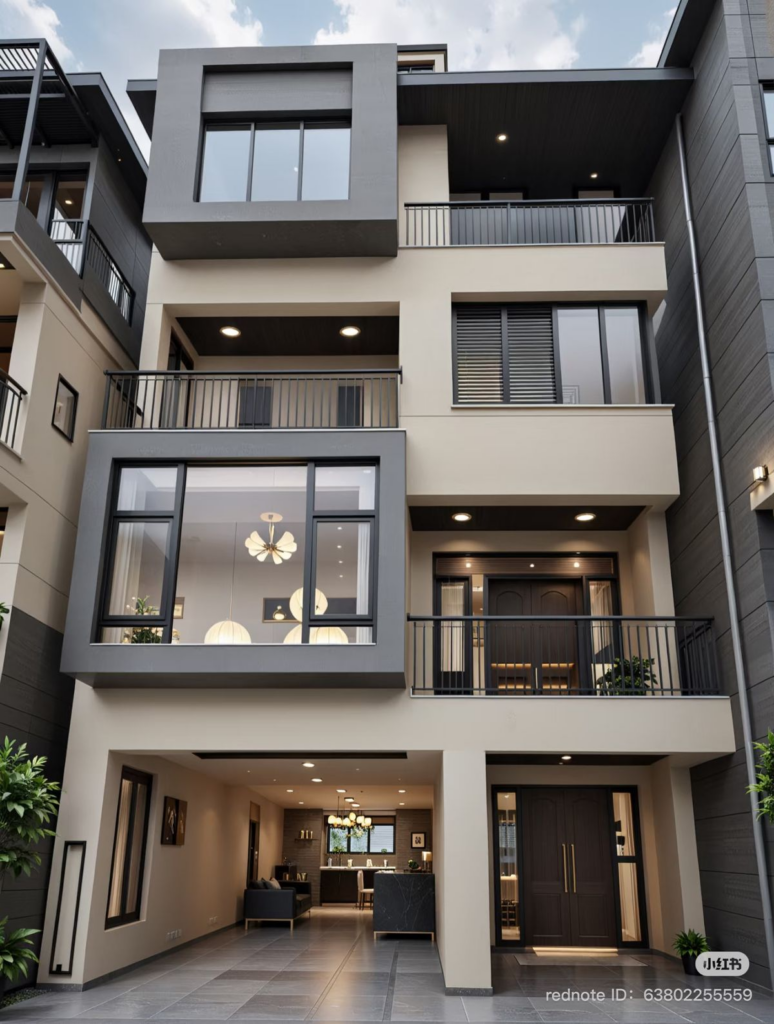
Understanding these area definitions is not merely academic; it directly impacts how property prices are calculated and how you should approach negotiations. Developers typically price properties based on the super built-up area. This means the advertised price per square foot often includes a portion of the common areas.
For instance, if a property is advertised at $500 per square foot based on a super built-up area of 1500 sq ft, the total advertised price would be $750,000. However, if the carpet area is only 1000 sq ft, the actual price paid for the usable living space is closer to $750 per square foot ($750,000 / 1000 sq ft). This significant difference highlights the importance of calculating the carpet area to ascertain the true cost of your living space. It’s a classic example of how understanding property metrics can save you considerable money.
A Real-World Scenario: Making Sense of the Numbers
Let’s walk through a hypothetical scenario. Consider an apartment advertised with a super built-up area of 1500 sq ft. Through due diligence, you discover the carpet area is 1000 sq ft. This means that approximately 500 sq ft (33.3%) of the total advertised area is allocated to common facilities and shared spaces. This 33.3% “loading factor” is not unusual, but it’s a critical figure to be aware of. It means that for every square foot of actual living space, you are also paying for a portion of the gym, the lobby, the corridors, and other shared amenities. If this percentage seems excessively high for your needs and budget, it might be worth exploring properties with a lower loading factor or a higher carpet area to super built-up area ratio.
Navigating Your Purchase: Practical Strategies for Savvy Buyers
As a seasoned professional, I’ve seen countless buyers make costly mistakes due to a lack of clarity on these fundamental metrics. Here are my top practical tips to ensure you make an informed and confident real estate decision:
Demand Clarity on Area Measurement: Always verify which area measurement is being used in advertisements, brochures, and sales agreements. Don’t assume; ask for explicit clarification. Developers are increasingly providing all these figures, but it’s your responsibility to seek them out.
Prioritize Carpet Area Calculation: Make calculating the carpet area a non-negotiable step. This is the true measure of your usable space and should be your primary benchmark for utility and comfort.
Compare Apples to Apples: When comparing different properties, ensure you are using the same area measurement. Comparing a carpet area from one property to the super built-up area of another will lead to flawed conclusions. Ideally, compare carpet areas or at least RERA built-up areas for a more equitable assessment.
Align with Your Lifestyle Needs: Consider your personal lifestyle and space requirements. If you value spacious interiors and minimal common areas, a property with a larger carpet area to super built-up area ratio might be ideal. If you prioritize extensive amenities and community living, the super built-up area becomes more relevant, but still requires understanding its components.
Engage in Open Dialogue: Don’t hesitate to ask your builder or real estate agent detailed questions. Inquire about the breakdown of common areas, the rationale behind the loading factor, and how the carpet area was precisely measured. Reputable professionals will be transparent and willing to provide this information.
Understand the Value of Amenities: While the super built-up area includes shared amenities, consider the actual utility and maintenance costs associated with these facilities. Are you paying a premium for amenities you will rarely use? This is a crucial consideration for long-term financial planning.
Seek Professional Advice: For significant investments, consulting with a real estate attorney or a trusted property consultant can provide invaluable insights and help you navigate complex legal documents and area calculations.
In the competitive landscape of real estate, knowledge is indeed power. By diligently understanding carpet area, built-up area, RERA built-up area, and super built-up area, you equip yourself with the critical tools to make informed decisions, negotiate effectively, and ultimately invest wisely. This clarity will not only prevent potential pitfalls but will also ensure you acquire a property that perfectly suits your needs and provides enduring value.
Ready to take the next step in securing your ideal property? Don’t let confusion about property metrics hold you back. Contact a trusted real estate professional today to discuss your options and ensure you have a clear understanding of every detail before making your investment.