
The 2026 Swiss Real Estate Market Outlook: Navigating Global Turbulence with Resilient Yields
After spending more than a decade analyzing global property cycles, structuring institutional property investment portfolios, and navigating multiple macroeconomic downturns, I have learned one undeniable truth: true safe-haven assets only reveal their genuine intrinsic value when the broader economic winds turn hostile. As we push deeper into the first half of 2026, the global macroeconomic landscape is defined by an unsettling degree of policy uncertainty. When uncertainty becomes the standard operating environment, capital invariably flees toward quality. This flight to safety is precisely why the Swiss real estate market is currently experiencing such intense structural demand.
The preceding year, 2025, was undeniably marked by severe economic disruptions. The aggressive implementation of US import tariffs placed a heavy, tangible burden on export-oriented economies across Europe, and Switzerland’s highly specialized manufacturing and pharmaceutical sectors were not entirely immune. Yet, as we transitioned into 2026, geopolitical risks rapidly overshadowed trade disputes. Escalating conflicts in the Middle East have driven global commodity markets into a state of extreme, unpredictable volatility. This has ignited acute fears of stagflation across the Eurozone. Neighboring European nations are feeling these effects acutely, severely dampening the region’s expected economic recovery.
However, when viewed through an international lens, the Swiss real estate market stands as a fortress of economic resilience. The broader Swiss economy continues to weather these storms with remarkable fortitude. A structurally lower energy share in the national consumer basket, combined with heavily regulated domestic electricity prices and the enduring strength of the Swiss franc, provides massive stabilizing effects. While the franc’s legendary role as a safe-haven currency undoubtedly increases margin pressure on Switzerland’s export sector, it simultaneously acts as a powerful shield against imported inflation. Looking ahead, our baseline scenario projects Swiss GDP growth to reach a solid 1.1% in 2026. Furthermore, domestic inflation is now projected to settle at 0.5%. While this is marginally higher than previous cycle expectations, it remains phenomenally low compared to global peers, creating an exceptionally favorable macroeconomic foundation for the Swiss real estate market.
Stable Values and Yield Compression in Turbulent Times
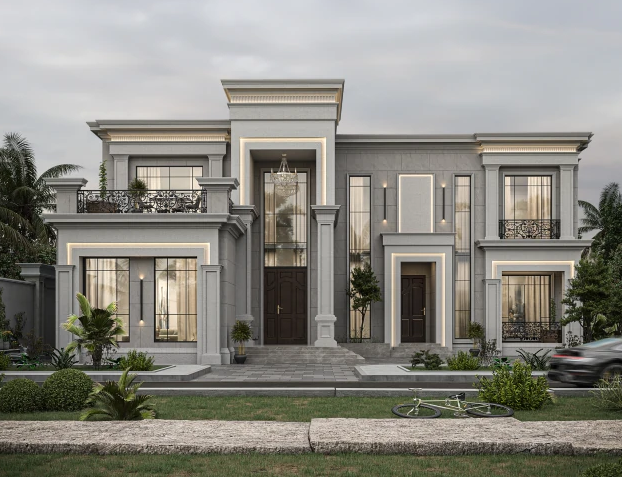
To understand where the Swiss real estate market is heading in 2026, we must first look at the unprecedented capital flows of the past twelve months. The Swiss real estate market witnessed exceptionally high transactional activity throughout 2025. Institutional capital market transactions surged to record volumes. We saw asset managers and pension funds aggressively expanding their real estate portfolio diversification strategies, prioritizing domestic brick-and-mortar assets over volatile equities or low-yielding sovereign debt.
Residential property funds, in particular, were in exceptionally high demand, a trend vividly reflected in the sharply rising premiums (agios) on listed Swiss real estate funds. In an environment where global central banks are navigating a complex low-to-moderate interest rate environment, defensive real estate segments experienced further, distinct yield compression. This cap rate compression is a textbook indicator of deep, structural demand for stable, fully leased properties.
As an industry practitioner dealing with wealth management real estate allocations daily, I can confidently project that institutional and private demand for the Swiss real estate market will remain aggressively high throughout 2026. Why? Because premium Swiss property assets offer something increasingly rare in today’s global financial system: inflation-protected, highly predictable running income yields. Whether you are looking to invest in Swiss commercial real estate or secure prime multifamily residential blocks, these assets provide invaluable downside protection and absolute stability during periods of geopolitical and economic distress.
The Urban Housing Crunch: Demographics and the Scarcity of Space
If you want to understand the engine driving the Swiss real estate market, you have to look closely at the structural and demographic fundamentals of residential real estate in Switzerland. The availability of urban residential space has become a desperately scarce resource.
While net immigration into Switzerland in 2025 cooled slightly compared to the absolute record highs of the immediate post-pandemic years, it remains significantly above the long-term historical average. This steady influx of highly skilled labor continues to put profound pressure on the housing supply. But immigration is only one piece of the puzzle. Demographic shifts are equally critical. The ongoing trend of household individualization (more single-person households), a rapidly aging population looking to downsize into accessible urban apartments, and relentless urbanization are creating a perfect storm of demand.
This demand is hyper-concentrated in primary cities and their surrounding urban agglomerations. The Zurich real estate market, the Geneva housing market, and key hubs like Basel and Bern are experiencing structural housing deficits. In these prime locations, land is geographically and strictly legislatively constrained. You cannot simply sprawl outward in Switzerland; zoning laws and topography strictly limit new developments. As a direct consequence, structural vacancy rates are falling even further from already historically low levels.
For landlords and investors within the Swiss real estate market, this translates directly to pricing power. Market rents are rising robustly across almost all cantons and regions. Furthermore, given the upward drift in long-term interest rates that occurred over the last cycle, the Swiss mortgage reference rate—which legally dictates tenancy rent adjustments—is highly likely to edge higher again in the second half of 2026. For existing property holders, this mechanism ensures that rental income yields keep pace with the broader cost of capital, further cementing the inflation-hedging power of the Swiss real estate market.
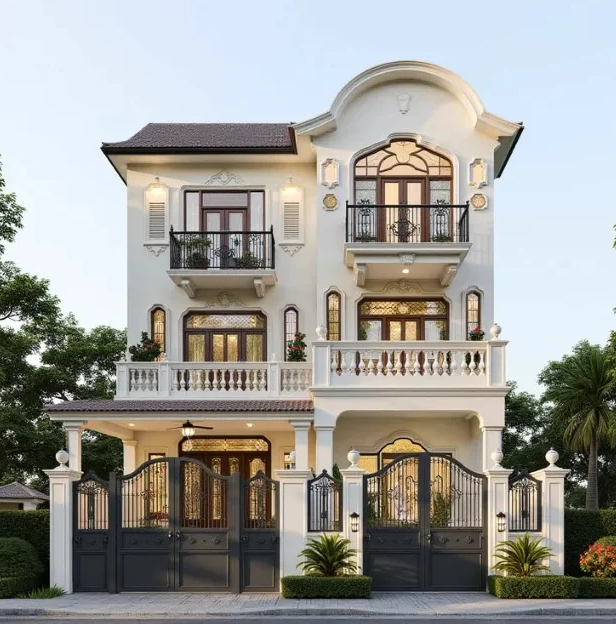
Commercial Property Investments: Defying the Global Doom Loop
If you read global financial headlines, the narrative surrounding commercial real estate is overwhelmingly negative. Over the past decade, and particularly since the 2020 pandemic, commercial rental markets in the US and the UK have faced existential challenges. Severe structural shifts, most notably the entrenched prevalence of mobile, hybrid, and remote working arrangements, have hollowed out demand for traditional office space in major global metros. Simultaneously, the relentless, structural growth of e-commerce continues to put extreme downward pressure on physical high-street retail space. Compounding these sector-specific headwinds is the overall subdued global economic momentum that has stubbornly persisted.
However, applying this global “doom loop” narrative to the Swiss real estate market is a fundamental analytical error. In an international comparison—and indeed in a historical context—Switzerland’s commercial real estate markets remain stunningly resilient.
The key differentiator is population growth combined with high domestic purchasing power. Switzerland’s expanding demographic base not only props up the residential market but also flows directly into the broader economy, generating sustained positive impacts on domestic employment and private consumption. This macroeconomic tailwind provides crucial support for commercial property investments.
When we evaluate asset management Swiss property strategies for 2026, the nuances become clear. While the logistics real estate sector continues to be the undisputed structural winner—benefiting massively from the very e-commerce trends that hurt traditional retail—Swiss office and retail spaces are not experiencing the catastrophic vacancy spikes seen in North America. Prime Swiss office spaces, particularly those boasting high ESG (Environmental, Social, and Governance) credentials in central business districts like Zurich and Geneva, are still experiencing robust tenant demand. Employers here recognize that premium, highly amenitized workspaces are critical for talent retention in a fiercely competitive labor market.
Strategic 2026 Outlook: A Stable Anchor in a Volatile World
Looking forward through the remainder of 2026, the strategic outlook for the Swiss real estate market remains fundamentally positive, even as we acknowledge the headwinds. Despite the reality of moderately higher long-term interest rates triggered by global geopolitical conflicts and sustained bond market volatility, we project continued positive capital value growth across the Swiss real estate market, albeit at a slightly more normalized, sustainable pace than the aggressive spikes seen in previous years.
The foundational fundamentals in the residential segment are virtually unshakeable. The severe supply-demand imbalance in urban centers guarantees that residential real estate in Switzerland will likely deliver higher overall capital growth than the commercial sector over the next 12 to 18 months.
However, ignoring the commercial sector would be a mistake for any sophisticated capital allocator. Commercial property investments remain highly attractive, particularly when driven by aggressive, active asset management. For institutional property investment funds and family offices, commercial assets currently offer materially higher running income yields compared to residential properties. More importantly, the current macroeconomic climate has created compelling acquisition opportunities in the commercial space, allowing investors to lock in much more attractive entry yields and wider risk premia than we have seen in half a decade.
When you combine robust tenant fundamentals, relatively moderate capital valuations, and the safety of inflation-linked long-term commercial leases, it becomes evident why smart money continues to flow into this sector. Furthermore, as local cantonal regulations regarding energy efficiency and rent caps become increasingly complex in the residential sector, commercial real estate offers a cleaner regulatory environment for large-scale capital deployment.
Ultimately, whether your strategy leans toward securing scarce residential blocks in Zurich or acquiring high-yielding logistics hubs along the Swiss transit corridors, the overarching thesis remains the same. The Swiss real estate market is not just a place to park capital; it is a highly functional, deeply resilient ecosystem designed to preserve and grow wealth through global economic turbulence. It remains one of the world’s premier destinations for wealth management real estate strategies and long-term portfolio stabilization.
If you are evaluating your current asset allocation or looking to strategically deploy capital into the Swiss real estate market this year, the window to secure prime assets with favorable risk-adjusted returns is open, but highly competitive. I invite you to reach out to our advisory team today to discuss how we can tailor a resilient, high-performing Swiss commercial or residential property investment strategy that precisely aligns with your long-term wealth objectives.