
Report Overview
Policy Support Poised to Revitalize China’s Housing Market, Driving Growth in Key Urban Centers
New housing construction in China is being impacted by an oversupply in small cities, along with more restrictive lending as a result of the country’s real estate bubble. However, the government is making an effort to promote affordable housing and encourage urban renewal projects, which will support increases in important urban centers.
Key Themes Covered in this Report:
Government-backed housing efforts and large-scale affordable housing initiatives are fueling housing construction in the Asia/Pacific and Africa/Mideast regions.
Modular and off-site construction methods are being used to reduce the impact of labor shortages.
Sustainable building practices and energy-efficient housing are becoming more important throughout the world.

Featuring 40 Tables & 9 Figures!
Table of Contents
Search within report
Executive Summary
Figure 1-1. Global Housing Market
Overview
Study Scope
Housing Stock
Historical Trends
Table | Global Housing Stock, 2015 – 2025 (million units)
Figure 2-1. Global Housing Stock, 2000 – 2025 (million units)
Regional Outlook
Table | Global Housing Stock by Region & Type, 2015, 2019, 2025, 2030, &2035 (million units)
New Housing
Historical Trends
Table | Global New Housing Units, 2015 – 2025 (thousand units)
Figure 2-2. Global New Housing Units, 2000 – 2025 (million units)
Regional Outlook
Table | Global New Housing Units by Region & Type, 2015, 2019, 2025, 2030, &2035 (thousand units)
Table | Global New Housing Floor Space by Region, 2015, 2019, 2025, 2030, &2035 (million square meters)
North America
North America: New Housing Construction
Table | North America: New Housing Units by Type, 2015, 2019, 2025, 2030, &2035 (thousand units)
Table | North America: New Housing Units by Country, 2015, 2019, 2025, 2030, &2035 (thousand units)
Figure 3-1. North America: New Housing Units, 2000 – 2025 (thousand units)
North America: Housing Stock
Table | North America: Housing Stock by Type, 2015, 2019, 2025, 2030, &2035 (million units)
Table | North America: Housing Stock by Country, 2015, 2019, 2025, 2030, &2035 (million units)
Central & South America
Central & South America: New Housing Construction
Table | Central & South America: New Housing Units by Type, 2015, 2019, 2025, 2030, &2035 (thousand units)
Table | Central & South America: New Housing Units by Country, 2015, 2019, 2025, 2030, &2035 (thousand units
Figure 4-1. Central & South America: New Housing Units, 2000 – 2025 (thousand units)
Central & South America: Housing Stock
Table | Central & South America: Housing Stock by Type, 2015, 2019, 2025, 2030, &2035 (million units)
Table | Central & South America: Housing Stock by Country, 2015, 2019, 2025, 2030, &2035 (million units)
Western Europe
Western Europe: New Housing Construction
Table | Western Europe: New Housing Units by Type, 2015, 2019, 2025, 2030, &2035 (thousand units)
Table | Western Europe: New Housing Units by Country, 2015, 2019, 2025, 2030, &2035 (thousand units)
Figure 5-1. Western Europe: New Housing Units, 2000 – 2025 (thousand units)
Western Europe: Housing Stock
Table | Western Europe: Housing Stock by Type, 2015, 2019, 2025, 2030, &2035 (million units)
Table | Western Europe: Housing Stock by Country, 2015, 2019, 2025, 2030, &2035 (million units)
Eastern Europe
Eastern Europe: New Housing Construction
Table | Eastern Europe: New Housing Units by Type, 2015, 2019, 2025, 2030, &2035 (thousand units)
Table | Eastern Europe: New Housing Units by Country, 2015, 2019, 2025, 2030, &2035 (thousand units)
Figure 6-1. Eastern Europe: New Housing Units, 2000 – 2025 (thousand units)
Eastern Europe: Housing Stock
Table | Eastern Europe: Housing Stock by Type, 2015, 2019, 2025, 2030, &2035 (million units)
Table | Eastern Europe: Housing Stock by Country, 2015, 2019, 2025, 2030, &2035 (million units)
Asia/Pacific
Asia/Pacific: New Housing Construction
Table | Asia/Pacific: New Housing Units by Type, 2015, 2019, 2025, 2030, &2035 (thousand units)
Table | Asia/Pacific: New Housing Units by Country, 2015, 2019, 2025, 2030, &2035 (thousand units)
Figure 7-1. Asia/Pacific: New Housing Units, 2000 – 2025 (thousand units)
Asia/Pacific: Housing Stock
Table | Asia/Pacific: Housing Stock by Type, 2015, 2019, 2025, 2030, &2035 (million units)
Table | Asia/Pacific: Housing Stock by Country, 2015, 2019, 2025, 2030, &2035 (million units)
Africa/Mideast
Africa/Mideast: New Housing Construction
Table | Africa/Mideast: New Housing Units by Type, 2015, 2019, 2025, 2030, &2035 (thousand units)
Table | Africa/Mideast: New Housing Units by Country, 2015, 2019, 2025, 2030, &2035 (thousand units)
Figure 8-1. Africa/Mideast: New Housing Units, 2000 – 2025 (thousand units)
Africa/Mideast: Housing Stock
Table | Africa/Mideast: Housing Stock by Type, 2015, 2019, 2025, 2030, &2035 (million units)
Table | Africa/Mideast: Housing Stock by Country, 2015, 2019 2025, 2030, &2035 (million units)
Appendix
Report Details
Definitions
Study-Specific Methodology
Sources
Associations & Agencies
Macroeconomic Outlook
Global Economic Outlook
Table | Global Gross Domestic Product by Region & Country 2015, 2019, 2025, 2030, &2035 (billion 2023 dollar
Global Population
Table | Global Population by Region & Country, 2015, 2019, 2025, 2030, &2035 (million persons)
Global Residential Building Construction Outlook
Table | Global Residential Building Construction Expenditures by Region & Country, 2015, 2019, 2025, 2030, &
Housing Data
New Housing Units
Table | Global New Housing Units by Region & Country 2015, 2019, 2025, 2030, &2035 (thousand units)
Table | Global New Single-Family Housing Units by Region & Country 2015, 2019, 2025, 2030, &2035 (thousand u
Table | Global New Multifamily Housing Units by Region & Country 2015, 2019, 2025, 2030, &2035 (thousand uni
New Residential Floor Space
Table | Global New Residential Floor Space by Region & Country 2015, 2019, 2025, 2030, &2035 (million square
Housing Stock
Table | Global Housing Stock by Region & Country 2015, 2019, 2025, 2030, &2035 (million units)
Table | Global Single-Family Housing Stock by Region & Country 2015, 2019, 2025, 2030, &2035 (million units)
Table | Global Multifamily Housing Stock by Region & Country 2015, 2019, 2025, 2030, &2035 (million units)
Existing Residential Floor Space
Table | Global Existing Residential Floor Space by Region & Country 2015, 2019, 2025, 2030, &2035 (billion s
Expand Sections
Global demand for new housing totaled 53.0 million units in 2025 and is forecast to increase 2.7% annually to 60.7 million units in 2030, spurred by chronic housing shortages in developing countries.
New Housing on Shifting Ground
New housing construction is shaped by a mix of demographic pressures, economic conditions, and evolving policy environments. In North America, developers are leaning into lower-density, single-family projects as urban multifamily markets cool amid high vacancies, tighter credit, and mounting construction costs. Central and South America are propelled by middle-class expansion and internal migration, with new projects increasingly focused on climate resilience and affordability. Western Europe is turning to energy-efficient and modular solutions to modernize its housing landscape, while Eastern Europe faces significant constraints from inflation, labor shortages, and weak consumer confidence. In the Asia/Pacific region, rapid urbanization and government-backed housing efforts are spurring development, though China stands out as a cautionary tale, where oversupply and financial instability dragged down new construction. Across Africa and the Middle East, surging population growth and urban expansion are fueling strong demand, with large-scale affordable housing initiatives taking root in many countries.
Aging Homes, Growing Gaps
The existing housing stock across these regions reveals critical disparities in quality, formality, and readiness for future challenges. In North America and Western Europe, older housing built before 1980 dominates, driving demand for upgrades in energy efficiency, technology, and design. Detached single-family homes still prevail in North America, while high-density rental housing characterizes much of Western Europe. Central and South America’s housing stock, much of it informal or self-built, struggles with infrastructure deficits and climate vulnerability – issues mirrored in parts of Africa and the Middle East, where substandard dwellings remain widespread. Eastern Europe’s legacy of Soviet-era blocks presents major renovation needs, further complicated by fragmented ownership and demographic decline. In Asia/Pacific, the contrast is sharp: modern towers in advanced economies stand beside informal settlements in emerging ones, with governments stepping in to formalize and upgrade stock through targeted housing programs.
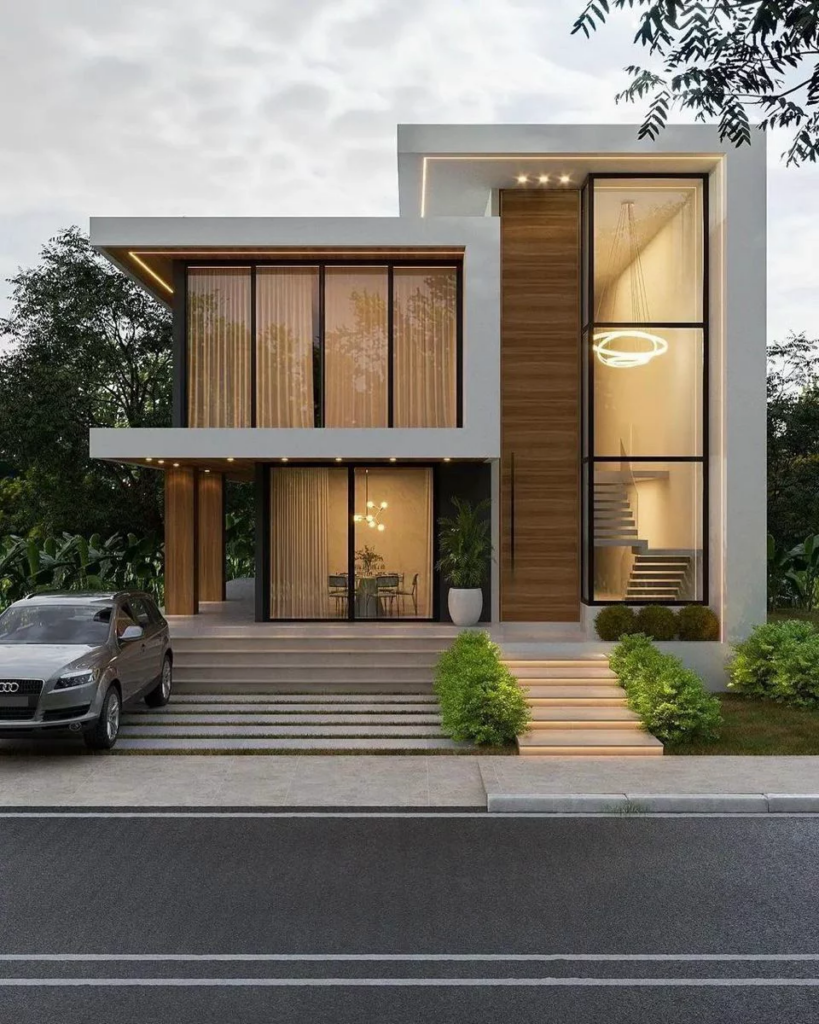
Climate, New Construction Methods, & Governments Driving the Future of Housing
Around the world, governments are responding with incentives, subsidies, and partnerships to reduce housing deficits and enable access to decent shelter. Climate concerns are reshaping how and where homes are built, from flood-resilient units in South America to heat-ready designs in the Middle East. Modular and off-site construction methods are helping to manage timelines and costs in regions with labor shortages, particularly in Europe and parts of Asia. Shifting demographics – from aging populations in Japan and Eastern Europe to young and growing cities in Africa – are influencing both housing design and tenure preferences. Even as global housing markets diverge in pace and structure, they share common themes: the urgent need for resilient, efficient, and inclusive housing stock that can accommodate changing social and environmental realities.
Global Housing Report Details
Details about the Global Housing Report
Current Total New Housing Size 53.0 million units
Forecast Total New Housing Growth Rate 2.7% CAGR for 2025-2030
Historical Period 2015-2025
Forecast Period 2025-2035
Units Covered Units and square meters
Regions North America, Central/South America, Western Europe, Eastern Europe, Asia
Housing Types Single-family, multifamily
Floor Space Existing residential floor space, new residential floor space
US & Canada Housing Market Favoring Single-Family Units
Aging millennials entering peak homebuying years and improving income conditions are supporting incremental growth in single-family demand, particularly in lower-cost Sun Belt and exurban areas where land is more readily available.
In contrast, multifamily developers face compressed profit margins and longer project timelines, making single-family builds more attractive in the near term due to faster turnaround and lower upfront capital requirements.
Energy Efficiency & Urban Density Influencing New Housing in Western Europe
Demand for energy-efficient and low-carbon housing is reshaping new construction in Western Europe, driven by EU climate goals, stricter building codes, and consumer preference for sustainable living environments. Urban infill and redevelopment projects are gaining traction as cities face land scarcity and seek to increase housing density near transit corridors, employment centers, and revitalized industrial zones.
Global Housing Report Scope
This report examines the global housing market in terms of both the global housing stock and the construction of new housing units. Historical data for 2015, 2019, and 2025 and forecasts for 2030 and 2035 are presented in units by country in the following regions:
North America
Central and South America
Western Europe
Eastern Europe
Asia/Pacific
Africa/Mideast
Housing data in this report encompass private (owner-occupied and rental), public/social housing (owner-occupied and rental), and informal housing.
Housing units are segmented by type in terms of:
single-family housing units
multifamily housing units (e.g., apartments/flats, condominiums, townhouses)
This report also includes the following data, all presented in square meters:
existing residential floor space
new residential floor space